You adopted agents. Now what?
Successful agent adoption changed what VS Code could ship.
Better models made agent work shippable.
Code survival by model
That translated into more product work getting done.
Total commits by month
Six months of shipping would have sounded impossible pre-AI.
More shipping created more issues and PRs to absorb.
Queues grew alongside output
Open issues
Open PRs
After 10 years of monthly releases, VS Code moved to weekly releases in February.
AI changes how teams work, not just how they code.
Agents change the daily build, validate, debug, and performance loop inside VS Code.
Issue, PR, and observability systems have to keep up with AI-speed work.
When building gets faster, alignment, DRIs, and decision loops become the scarce resource.
The inner loop changed from writing code to validating behavior.
Demo
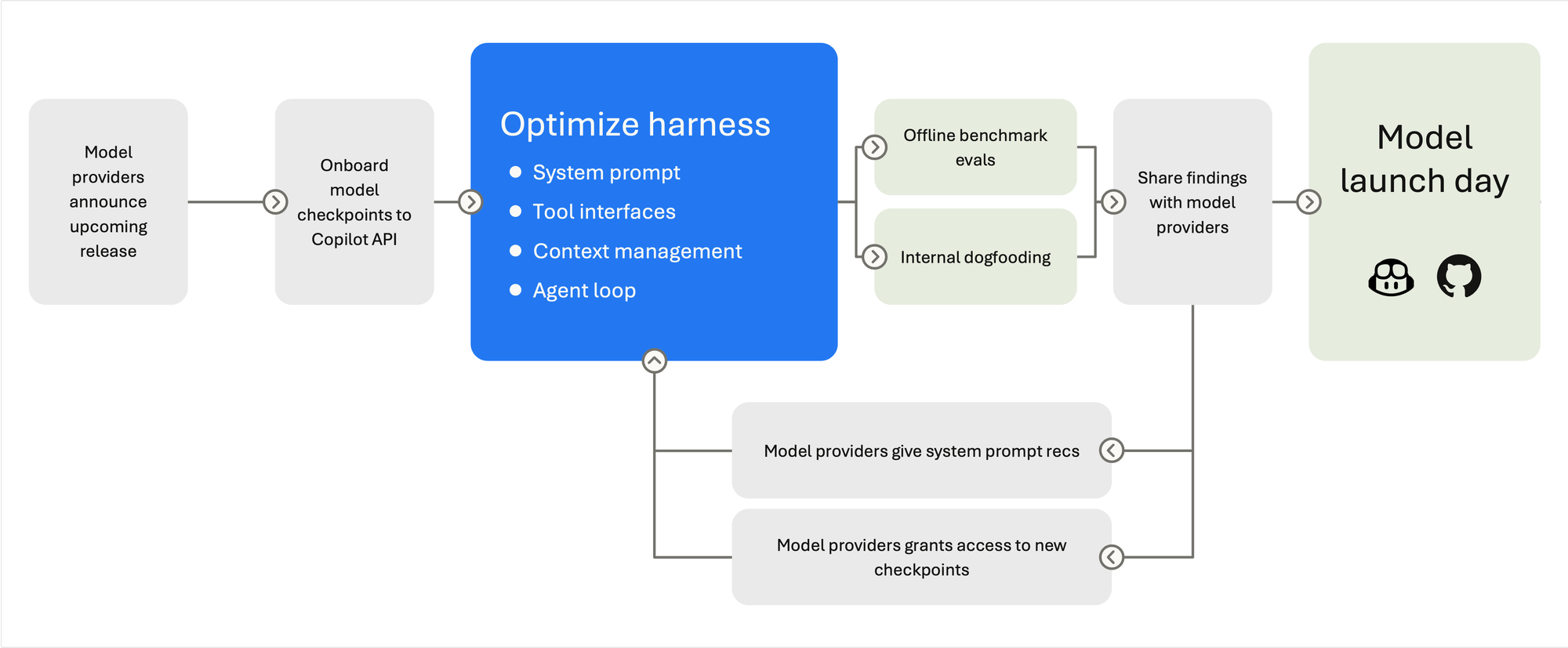
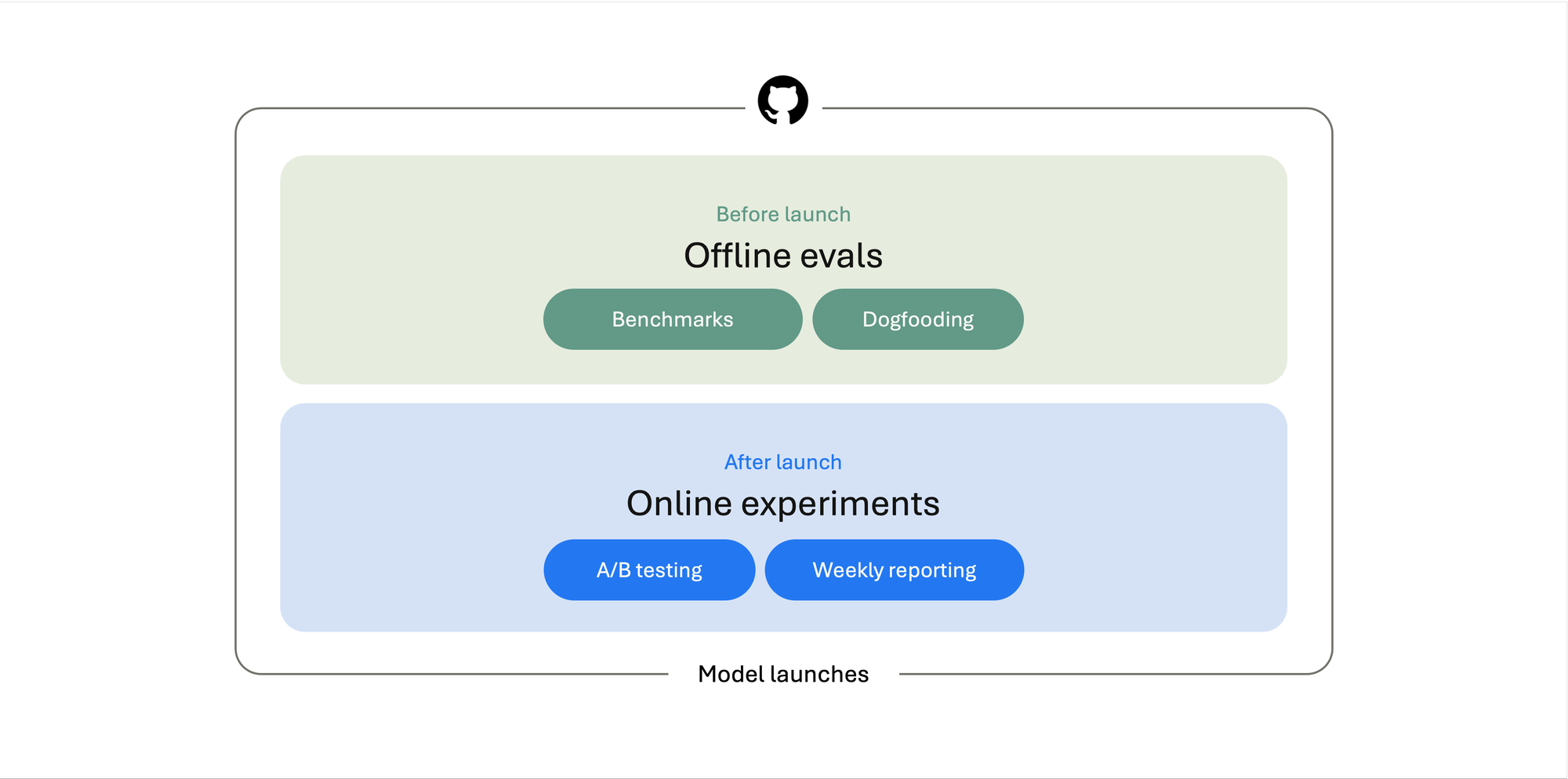
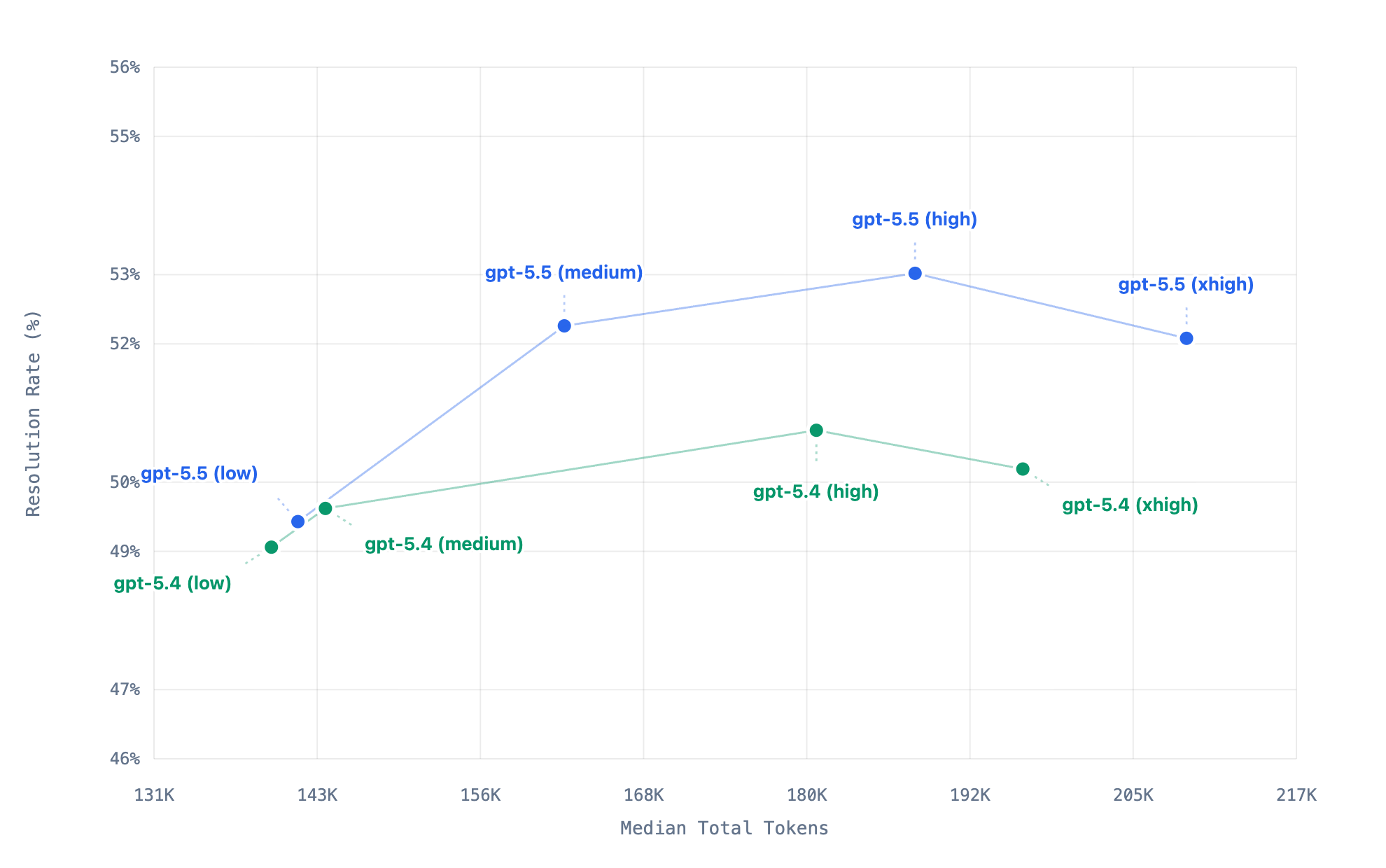
Models are optimized before and after launch.
Evaluation continues after the model ships.
VSC-Bench are offline evaluations purpose built for VS Code.
AI-native teams need an AI-native engineering system.
Demo
When building got faster, alignment became the bottleneck.
Monthly planning worked by reconciling leadership direction with IC-owned work.
Leads set the frame
Goals, product direction, release constraints, and the rough shape of the iteration.
ICs brought the work
Bug fixes, debt, experiments, user pain, and the items closest to the code and community.
The plan got rationalized
During the last week of the month, the team reconciled the two inputs into a public iteration plan.
The plan was explicit, public, and organized by area.
Workbench
- Integrated Browser V1
- Simple Browser improvements
- Update UI improvements
AI / Chat
- Create new sessions from chat input
- Improve model management UI
- Polish Agent Sessions UI
Agents / MCP
- Support model-specific tools
- Support MCP registry URL property
- Improve custom agents
NES / Completions
- Improve import NES speed
- Prefer NES over word suggestions
- Add diagnostics to completion prompt
The planning model broke when the environment moved faster than the plan.
Pace of AI
Model capability, user expectations, and competitive pressure changed inside the iteration window.
Alignment load
More possible work meant more need to keep teams aligned on priorities, quality, and product intent.
Compressed lifecycle
Discovery, implementation, validation, and release started collapsing into the same operating window.
When building gets cheaper, judgment becomes scarce.
The hard part shifts to choosing what matters, aligning people quickly, and shipping it well.
We moved toward faster alignment loops instead of heavier plans.
- Temporary workstreams form around the highest-leverage outcomes.
- DRIs make ownership explicit while preserving broad collaboration.
- Weekly goals force tradeoffs while the facts are still fresh.
Reset priorities against the latest product, model, and user reality.
Make the decision-maker and owner visible before implementation fans out.
Use weekly releases as a forcing function for learning and correction.
AI made building faster, so humans had to align more often.
- Monthly planning cadenceA monthly planning rhythm was enough when the work moved in longer arcs.
- Traditional code ownershipTeams formed around long-lived areas and the code they owned.
- Meetings stayed intentionally lightweightAsync updates and a few standups protected maker time.
- Weekly planning cadenceWeekly resets keep priorities aligned with the latest product, model, and user reality.
- Workstreams around outcomesTemporary workstreams swarm the highest-leverage AI opportunities, then reset.
- Meetings intentionally force alignmentDaily — sometimes twice-daily — syncs keep decisions, validation, and release risk moving together.